What film taught me about intention
When I transitioned from a DSLR to a mirrorless camera, I fell into shoot and pray. Shutter held down. Hoping a handful of the frames would turn out decent.
That worked fine when I was only shooting occasionally. But as I started getting out more, it stopped working. I’d go in with some idea of the moment I wanted to capture. Then just hold the shutter down and hope. The intention was there at the start. It never made it into how I actually shot.
The real cost showed up afterward. I’d get home with hundreds of frames and spend hours culling through them, trying to find the one that worked. That sorting time felt like a waste.
I wanted to get more intentional. So I picked up a 35mm film camera.
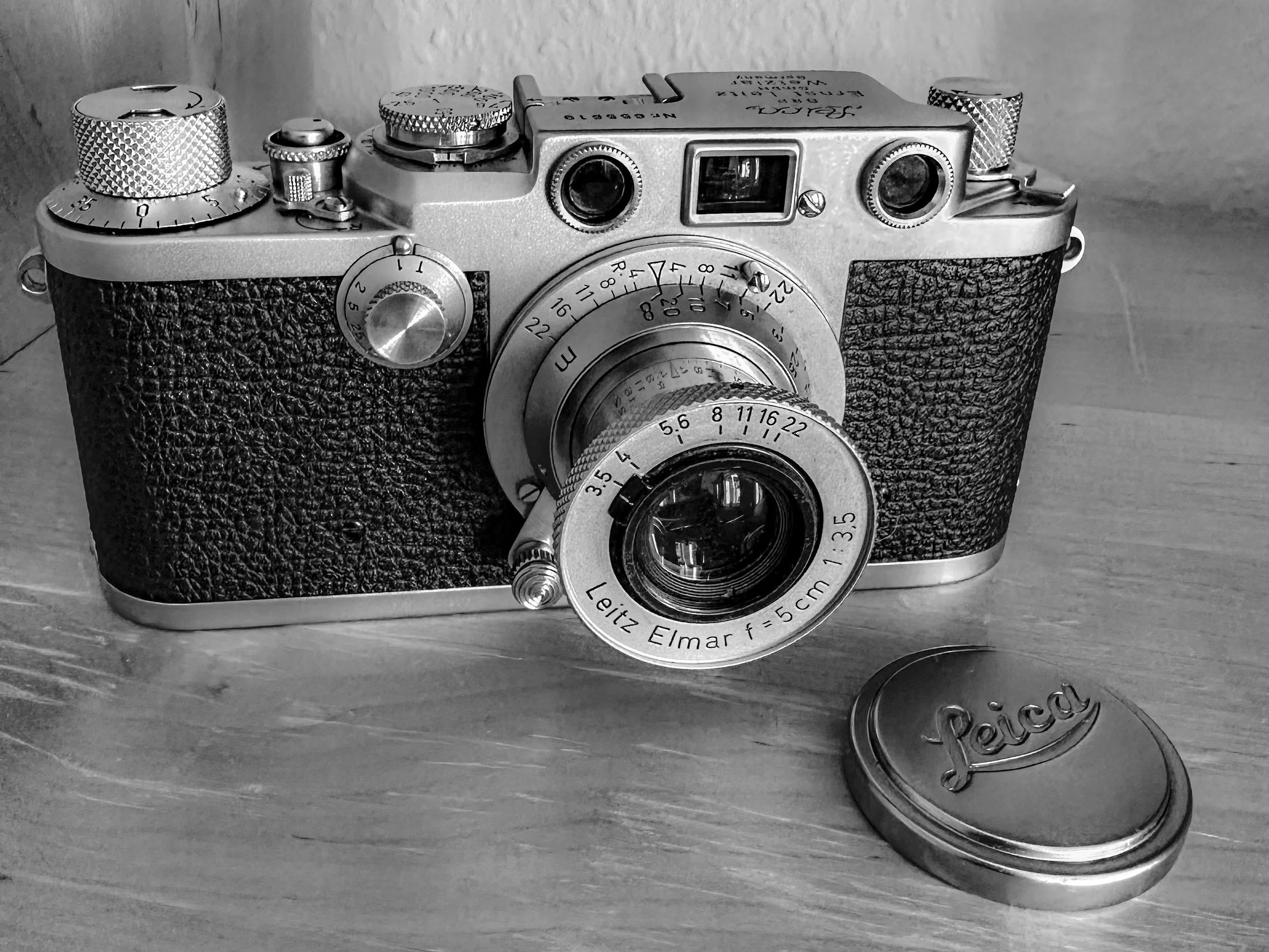
My 1953 Leica IIIf paired with the Leitz Elmar 50mm f3.5
Film changes the math immediately. You get 36 shots a roll, and between the film itself and developing, none of it is cheap. You can’t shoot and pray your way through that. Every press of the shutter has to mean something.
Shooting film is like hunting with a bolt action rifle with a scope. You get one shot at the animal you actually intend to hunt and harvest.
It changed how I approached a shoot before I even lifted the camera. I don’t develop my own film, so every frame costs me roughly a dollar just to find out if it worked. At that price, I wasn’t about to waste a shot.
I stopped chasing a subject that might be worth a shot. I started picking places where I didn’t need to chase anything down. Places where I could slow down with purpose and intention behind. I had to actually think before I pressed the shutter.
The film camera didn’t limit what I could do. It taught me how photography is supposed to work. It pushed me from someone who just pointed a camera at things to someone who actually thought like a photographer.
